









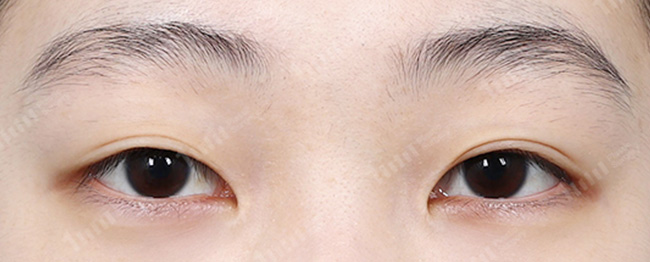
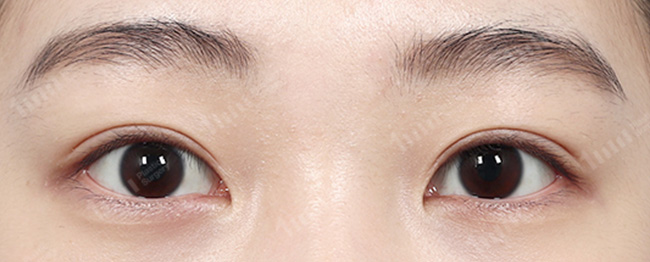
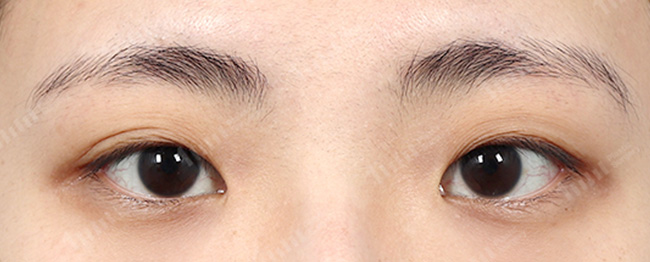
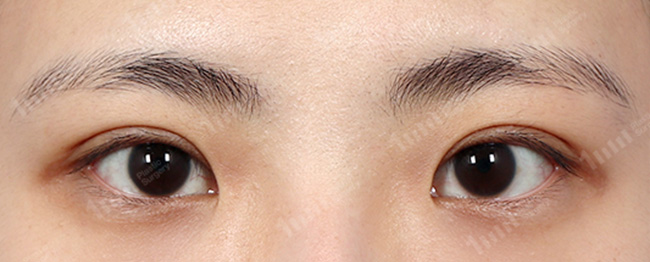

Eye

Double Eyelid Revision

The Last Revision You’ll Ever Need

  • #DoubleEyelidRevision
  • #FinalRevision
  • #FormAndFunction
  • #EyelidSurgeryExpert

Before & After

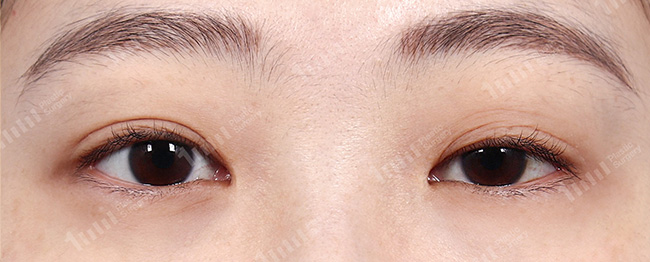
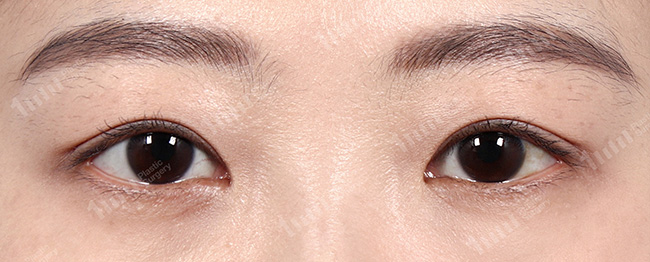
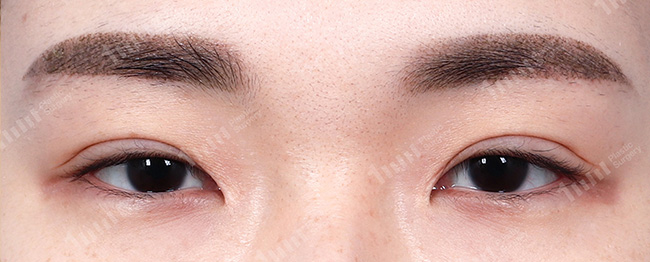
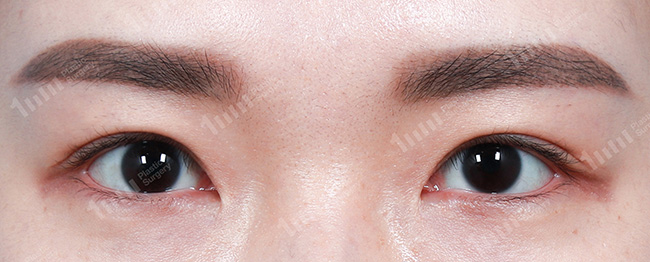
1mm Plastic Surgery Double Eyelid Revision Surgery

  • Before After

    Natural Adhesion Double Eyelid Revision Surgery (6 Months)

  • Before After

    Natural Adhesion Double Eyelid Revision Surgery with Medial Epicanthoplasty (6 Months)

  • Before After

    Incisional Double Eyelid Surgery Revision with Ptosis Correction (3 months)

  • Before After

    Incisional Double Eyelid Surgery Revision with Ptosis Correction, Medial Epicanthoplasty, Lateral and Lower Canthoplasty (8 Months)

A small fee was paid for the before and after photos and the review.

Reasons for Revision Eyelid Surgery

Dissatisfaction

68%

Side effects

30%

Other

2%

  1. 01

    Dissatisfaction Results that differ from the desired crease line or shape

  2. 02

    Complications Postoperative concerns that may arise from inflammation or infection

  • Why Your First Choice Matters

    A well-considered first procedure may help reduce the need for revision surgery.
    Our one-on-one, personalized approach is designed to support balanced, natural-looking results.

  • Moving Beyond Repeated Revision Surgery

    By carefully assessing concerns from previous surgery, we aim to improve both aesthetic appearance and functional considerations where appropriate.

A Thoughtful Approach to Eyelid Revision Surgery

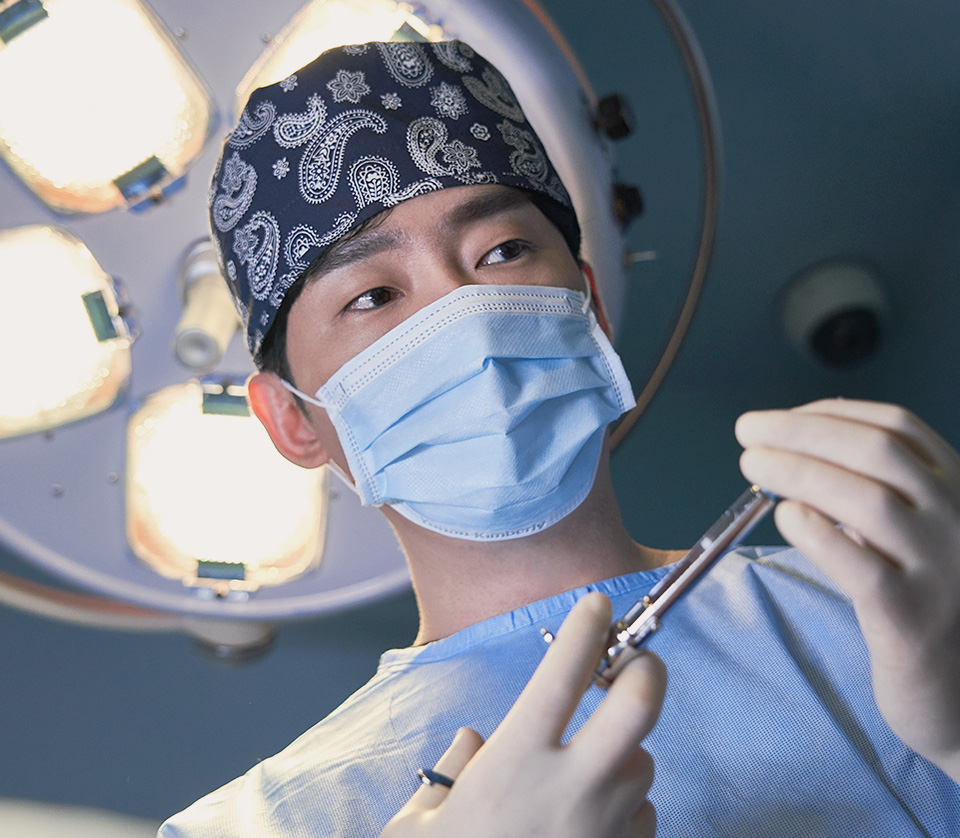
1mm Plastic Surgery Chief Director Do Eon-rok
  1. Understanding the Cause Through thorough Consultation

    Open and thorough communication is especially important in revision eyelid surgery.
    During the preoperative consultation, we carefully review your current concerns, the surgeon’s clinical assessment, and the changes you hope to achieve. Based on this discussion, we develop an individualized surgical plan.

  2. A Carefully Planned Eyelid Revision Procedure

    Based on the consultation, we create a detailed surgical plan and perform the procedure with a meticulous, systematic approach. Our goal is to address aesthetic and functional considerations together while helping reduce the need for additional revision surgery where appropriate.

Key Considerations in Eyelid Revision Surgery

  • 1:1 Cause Analysis and Diagnosis

    Accurate cause analysis and 1:1 cause diagnosis by a plastic surgeon specialist.

  • Minimal Scars, Side Effects

    Minimizing tissue damage, resulting in minimal scars and side effects.

  • Functional + Aesthetic Improvement Possible

    Aiming for highly satisfactory results by simultaneously improving function and aesthetics.

  • Extensive Surgical Know-how

    Extensive clinical experience and surgical know-how.

We aim to address both functional and aesthetic considerations.
By carefully assessing the individual condition and concerns that may lead to revision surgery, we determine an appropriate approach tailored to each patient’s needs and goals.

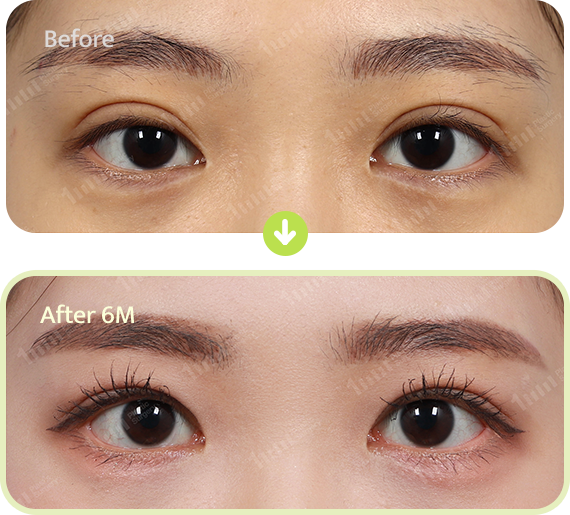
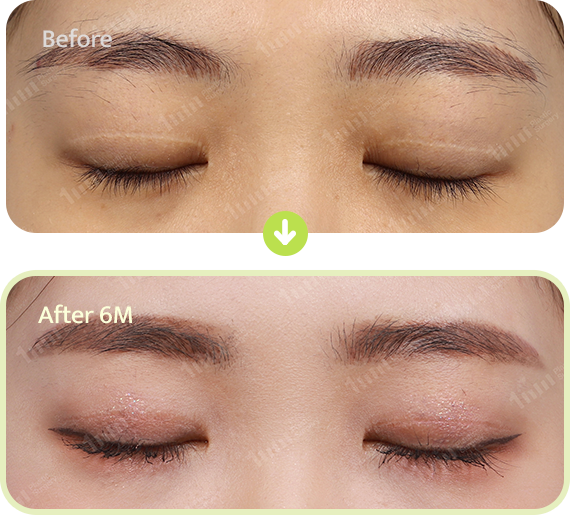
Natural-Looking Eyelid Revision Results,
Whether Your Eyes Are Open or Closed

A Refined Approach by 1mm Plastic Surgery

  • Before
  • After 6M

A small fee was paid for the before and after photos and the review.

  • Before
  • After 6M

A small fee was paid for the before and after photos and the review.

Candidates for Revision Surgery and Improvement Methods

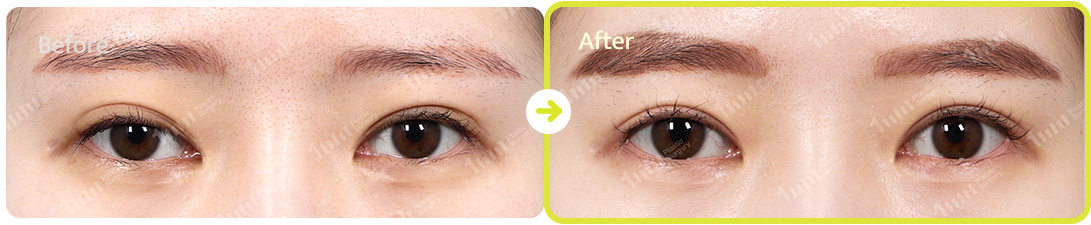
Method 01

When the Eyelid Crease Appears Too High (Often referred to as a “sausage eyelid”)

This may occur when the crease was created too high or when excess tissue was not adequately addressed during a previous procedure.
Depending on the underlying cause, revision surgery may involve adjusting the crease height and, where appropriate, addressing excess fatty tissue to create a more balanced and natural-looking eyelid crease.
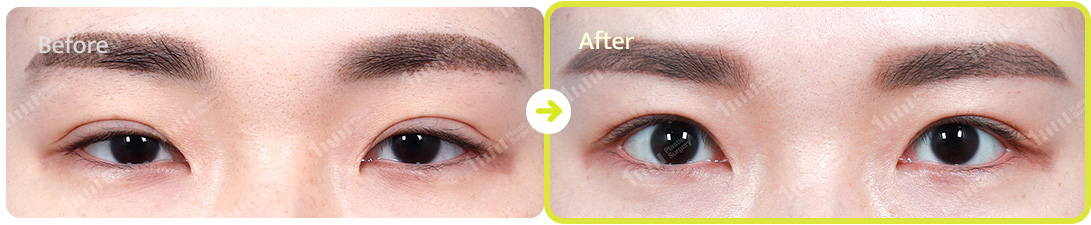
  • Before
  • After

A small fee was paid for the before and after photos and the review.
Method 02

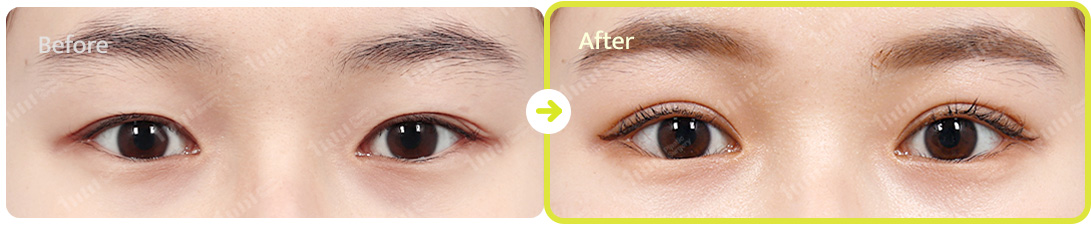
When the Eyelids Appear Asymmetrical

Asymmetry may occur when differences in eye size, eye position, or eyelid-opening muscle strength were not fully considered during a previous procedure.
Depending on the underlying cause, the eyelid crease height and thickness may be adjusted to help improve balance between the two eyes.

  • Before
  • After

A small fee was paid for the before and after photos and the review.
Method 03

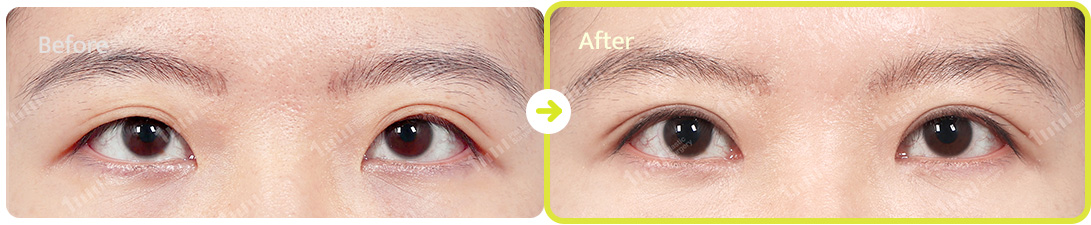
When You Are Dissatisfied with the Shape of Your Eyelid Crease

If you are dissatisfied with your eyelid crease due to insufficient communication before a previous procedure, we carefully discuss your preferred crease style and develop a surgical plan based on your individual eyelid condition.

  • Before
  • After

A small fee was paid for the before and after photos and the review.
Method 04

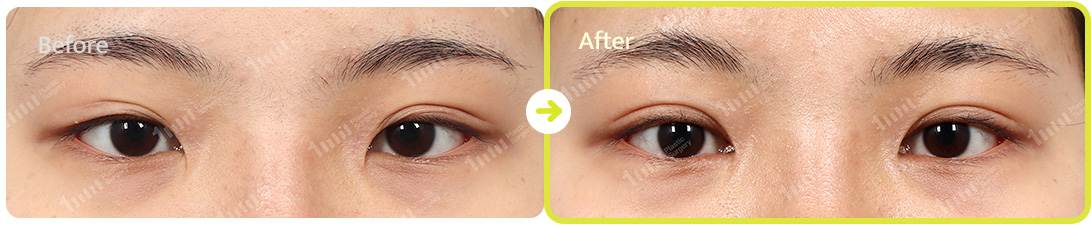
When the Eyelid Crease Has Faded or Become Loose

If the crease was created with insufficient fixation and has become less defined or loosened over time, the eyelid crease may be redesigned and reinforced during revision surgery.

  • Before
  • After

A small fee was paid for the before and after photos and the review.
Method 05

When Multiple Eyelid Creases Are Present

Multiple or overlapping eyelid creases may develop when excessive fat or muscle tissue has been removed from the upper eyelid during a previous procedure. Revision surgery may involverestoring volume to the upper eyelid area or consolidating the creases into a more defined single line.

  • Before
  • After

A small fee was paid for the before and after photos and the review.
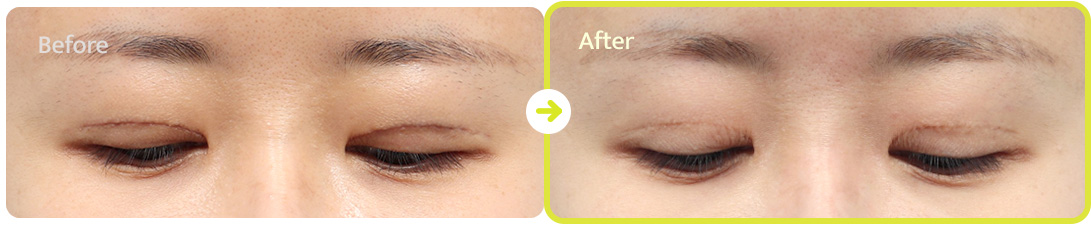
Method 06

When Noticeable Scarring Is Present

This may occur when wound closure during a previous procedure was not performed optimally or when scar tissue requires removal. Depending on the individual condition, an appropriate revision approach is planned to address the area of concern.

  • Before
  • After

A small fee was paid for the before and after photos and the review.

Who Is This Procedure For?

Who May Benefit from Eyelid Revision Surgery

  • When the eyelid crease appears too thick
  • When noticeable surgical scarring is present
  • When the eyelid crease has loosened or become less defined
  • When you are dissatisfied with the eyelid crease design

Q&A

Frequently Asked Questions

Q. When Can Eyelid Revision Surgery Be Considered?

In many cases, revision eyelid surgery is considered after at least one year, once the eyelid tissues have had sufficient time to heal and stabilize for an accurate assessment. However, depending on the surgeon’s clinical evaluation, earlier intervention may be considered in certain cases before early scar tissue becomes more established.

Q. What Should Be Considered for Revision Eyelid Surgery?

Revision surgery may involve addressing scar tissue from a previous procedure while minimizing additional tissue trauma during surgery. It is important to consult with a qualified medical professional with experience in eyelid surgery and revision procedures.

Q. Will There Be Significant Scarring After Surgery?

Existing scars cannot always be completely removed. However, revision surgery may be planned with consideration of the scar’s size and location, with the aim of minimizing additional scarring where possible.

Our specialty

Beauty, Refined Down to the Last Millimeter, 1mm Plastic Surgery

01 / 04

Korean Association of Plastic Surgeons Deliberation No. 1367 · A choice for healthy beauty · Plastic Surgery Specialist
  • / Trustworthy 1mm Plastic Surgery /

    One-on-One Personalized Treatment Planning Based on Individual Features

  • / Trustworthy 1mm Plastic Surgery /

    Continuous Academic Research and Professional Development for Optimal Outcomes

  • / Trustworthy 1mm Plastic Surgery /

    Strict Sterilization and Disinfection Protocols for Infection Prevention

  • / Trustworthy 1mm Plastic Surgery /

    Plastic surgeon, Korean Society of Plastic Surgeons